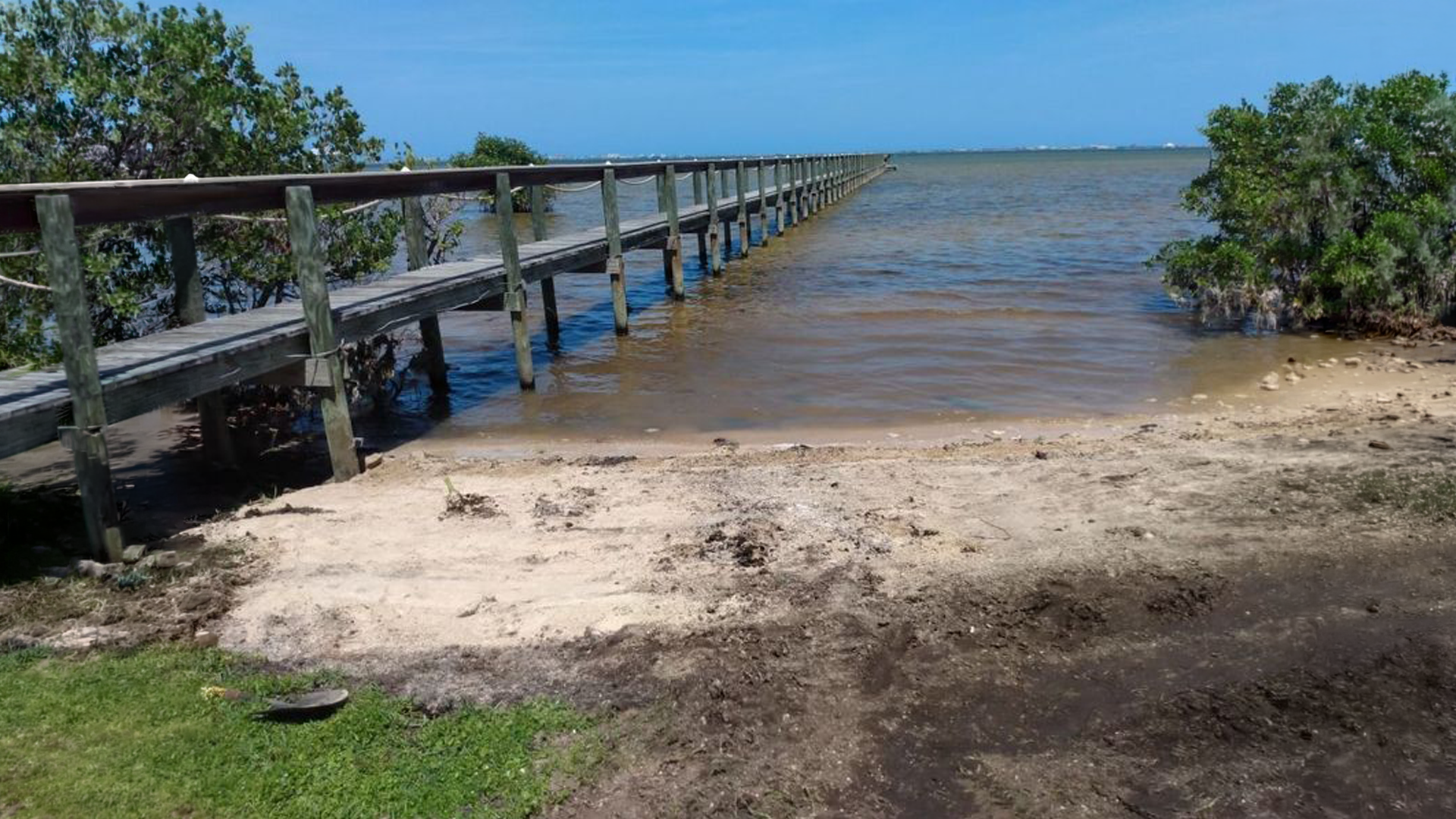
For homeowners and communities along the Indian River Lagoon (IRL), protecting the coast is no longer just about building a wall—it’s about restoring an ecosystem. As urban development and stormwater runoff continue to impact our local waters, many are turning to a living shoreline as a sustainable, high-performance alternative to traditional bulkheads.
A living shoreline uses natural elements like native vegetation, sand, and oyster reefs to stabilize the coast, reduce erosion, and enhance the surrounding environment. At High Surf Corp, we believe these nature-based solutions are the key to long-term property protection in Brevard County.
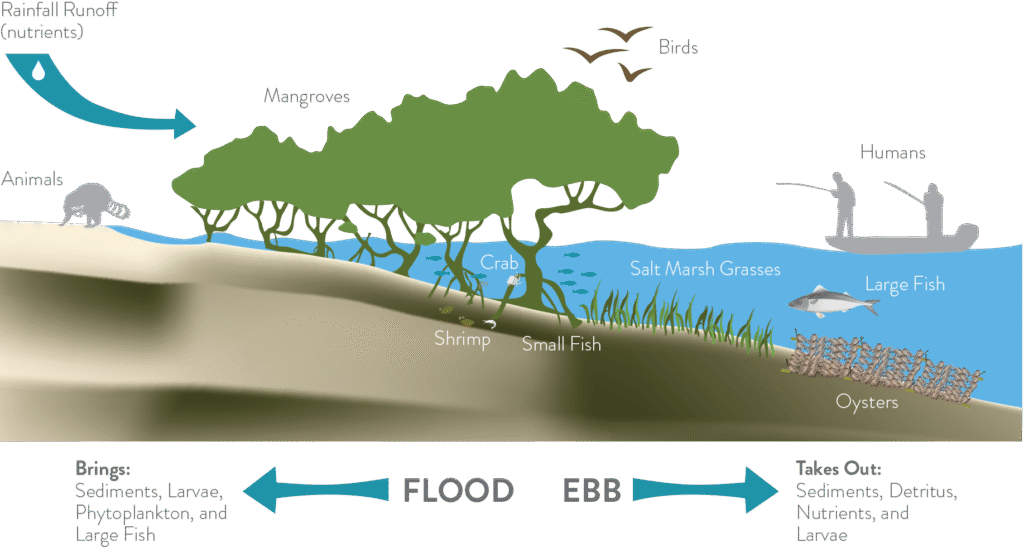
For decades, the Indian River Lagoon (IRL) has faced increasing environmental threats due to rapid urban development, habitat destruction, and various forms of pollution. The northern half of the lagoon, with its limited connection to the sea, has become particularly vulnerable. Stormwater runoff, wastewater discharge, and excessive fertilizer usage have led to a buildup of harmful nutrients and sediments in the water, causing significant ecological damage.
This accumulation of pollutants fosters the growth of harmful algal blooms. The suspended particles and nutrients block sunlight, preventing it from reaching vital underwater seagrasses. Without sunlight, seagrasses die, leading to a drop in oxygen levels and a subsequent loss of marine life. As fish and other aquatic organisms die and decompose, they release more nutrients into the water, further exacerbating the cycle of algal blooms.
The Core Benefits of a Living Shoreline
1. Natural Pollutant Filtration
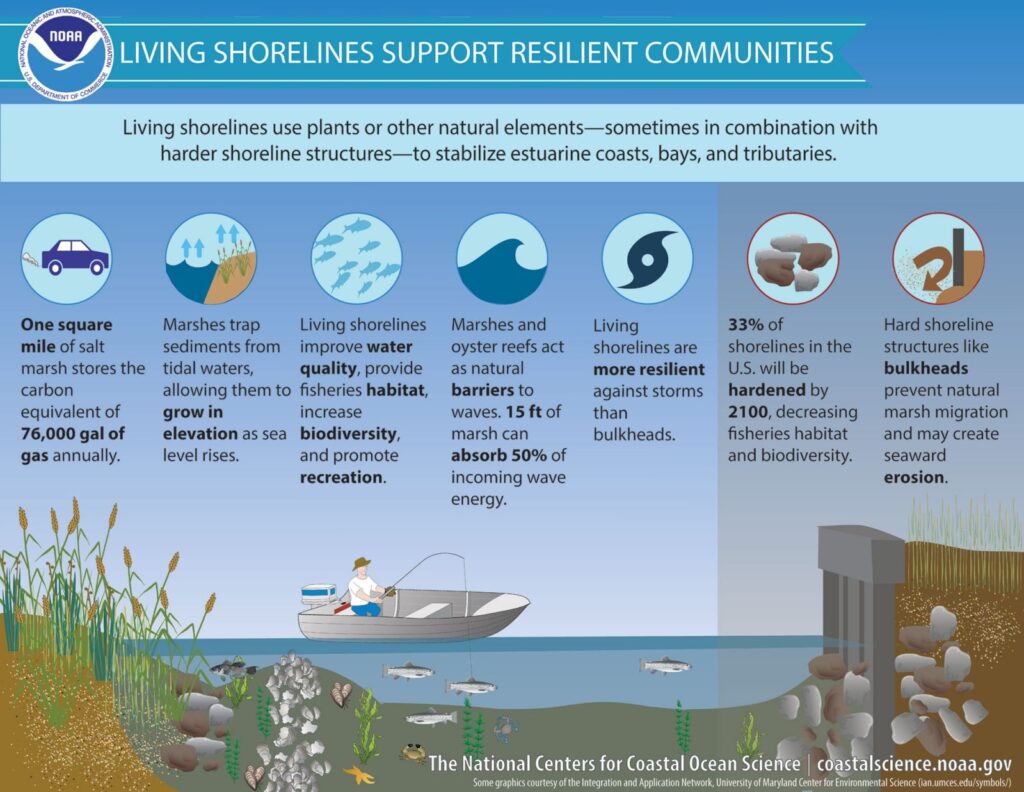
One of the greatest advantages of a living shoreline is its ability to act as a bio-filter. The organic matter and aquatic plants trap sediment and absorb excess nutrients (like nitrogen and phosphorus), significantly improving water quality and helping to prevent future algal blooms.
2. Superior Erosion Control
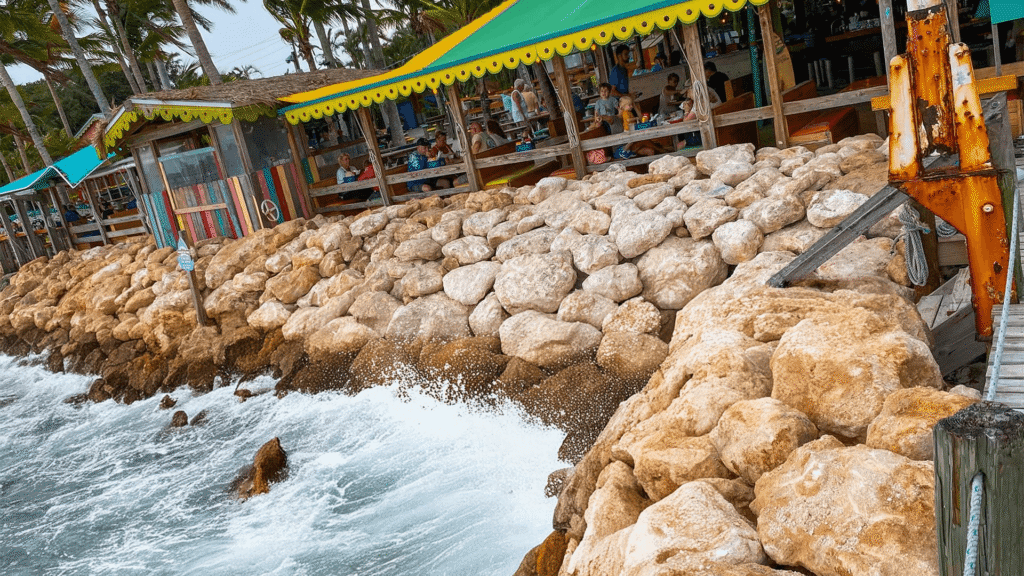
While traditional seawalls often lead to “scouring” at the base, a living shoreline dissipates wave energy. By slowing down water movement, these systems allow sand and sediment to accumulate naturally, strengthening your property’s defense against tides and storm surges.
3. Essential Habitat Restoration
A living shoreline creates a thriving environment for Brevard County’s wildlife. By incorporating oyster reefs and marsh grasses, you provide a home for fish, crustaceans, and shorebirds, boosting local biodiversity and supporting the health of the lagoon.
4. Resiliency and Climate Adaptation
Unlike rigid structures that can crack or fail under pressure, a living shoreline is a dynamic, “living” system. It has the unique ability to grow and adapt to rising sea levels over time, making it a more resilient long-term investment in the face of climate change.
5. Cost-Effective Maintenance
Traditional coastal armoring often requires expensive repairs and eventual replacement. In contrast, a well-established living shoreline often becomes stronger over time. Because it utilizes self-sustaining natural materials, maintenance costs are typically much lower than those of “hardened” shorelines.
Protecting Property and the Environment
By mimicking the natural coastal ecosystems of Florida, living shorelines offer a dual benefit: they safeguard your land while healing the Indian River Lagoon. In areas where human activity has impacted water clarity and biodiversity, these nature-based solutions represent the best path forward for restoring balance.
To protect your waterfront property with eco-friendly erosion control, explore our professional living shorelines serviceoptions tailored for Brevard County waterways.
Interested in a more sustainable way to protect your waterfront? Contact High Surf Corp today to learn more about living shoreline options in Brevard County.